16 January 2012

Itchy Feet? Need Some Inspiration?


The perfect place to get some inspiration for holidays in 2012 and beat those winter blues! The show will feature a range of exhibitors, celebrity speakers, explorers, historians and news correspondents. There will also be a range of cultural performances taking place on the Entertainment Stage.

The Manchester show will host performances from Manchester School of Samba, Red Fan Chinese Dance Society as well as African drumming and Egyptian, Ukrainian, Cuban and Punjabi dancing. In addition, Tropical Inc will be bringing along a selection of animals including meerkats, skunks, snakes and macaws! 

It's disappointing that whilst there are no fewer than 13 celebrity speakers, explorers, historians and news correspondents booked for the London show as well as the Amateur Photographer Travel Photography Theatre; there are only 4 speakers and no photography theatre for the Manchester show. Alas, us folk up north will have to make do with what we've got...perhaps Sir Trevor McDonald OBE and others will make the journey up to Manchester next year...


If you're a Manchester Confidential reader you can claim free tickets. Lonely Planet magazine readers can also pick up free tickets in this month's edition.

11 January 2012

Forget The Resolutions, Just Enjoy It!

2012: A New Year...A Time for Resolutions!
Well, maybe for some. I myself haven’t bothered to go as far as making any new year’s resolutions as I can’t think of a reason why I would want to make myself miserable or disappointed in a few weeks or months time when I fail to keep them. A New Year is just another year in our lives and we can make it a good year or an even better year than the last; or we can just continue the way we were at one minute to 12 on New Year’s Eve, thus eliminating any unnecessary pressure we might be about to put on ourselves.

When I hear people say things like ‘I’m glad that year’s over and done with, bring on the next’ it makes me quite sad because I for one would rather not wipe the previous year off the table and forget it in its entirety. Even if it was the ‘worst’ year in the history of the world, surely we can always find something that was good, that made us happy and that is worth holding onto.

So for 2012, instead of resolutions, I pledge to enjoy it as much as I can and be as happy as I can for myself and others– even in the face of adversity, setbacks and challenges that may come my way.  So let’s break open the champers and have a bloody good year! 

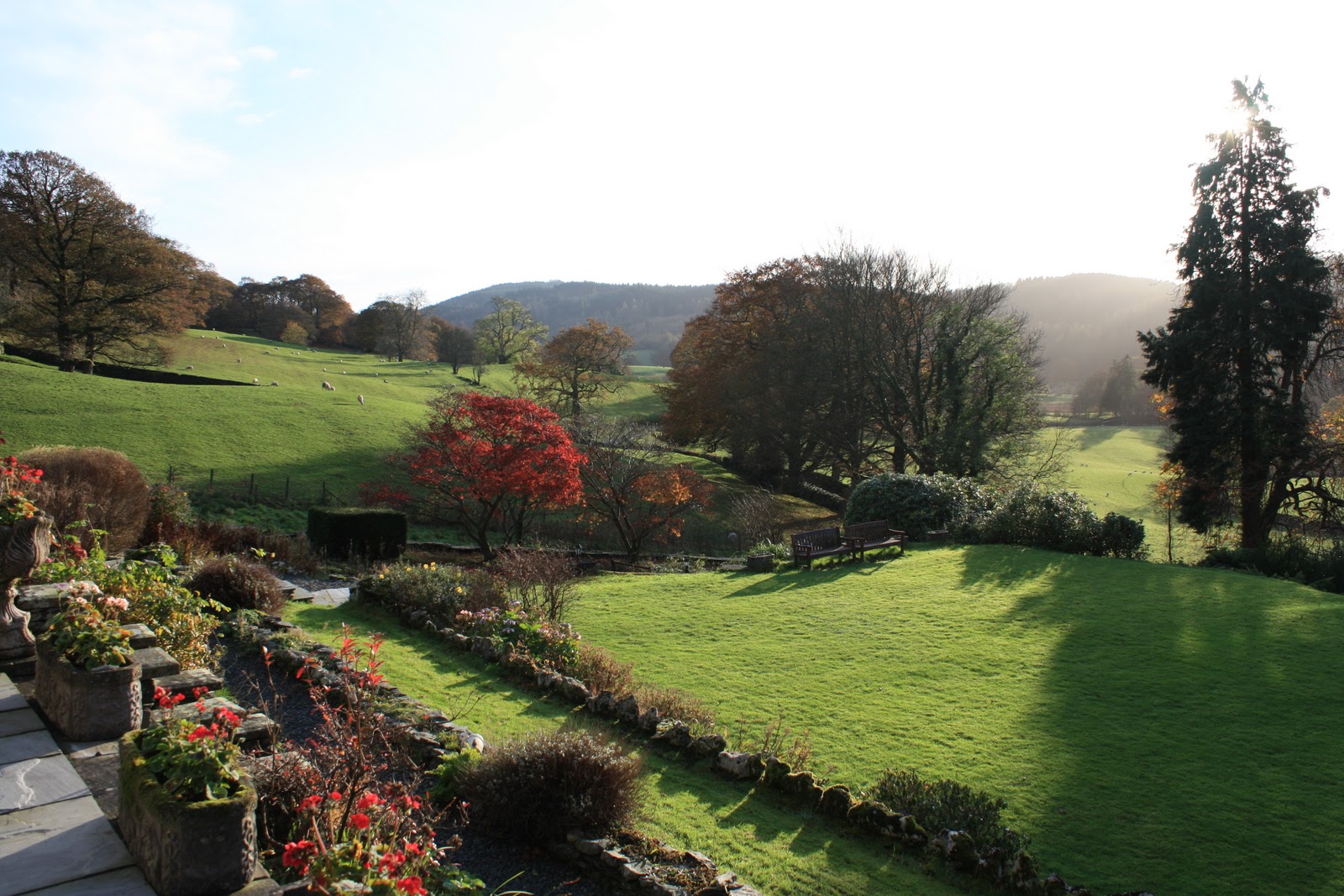
January may still be cold but to prevent hibernation, wrap up warm & head outside for a wintry walk...certain to take away those winter blues!


A Wintry Walk in the Lake District


6 January 2012

The Sydney Harbour Bridge: The Iron Lung of Australia

7 years and 354 days, 2,500 men, 53,000 tonnes of steel...


"Every day those men went onto the Bridge, they went the same way as a soldier goes into battle, not knowing whether they would come down alive or not." (Lawrence Ennis, Director of Construction, 1932).


"Life Down Under"

It was dark; I hadn't long arrived and I wasn't quite sure where I was when I caught my first glimpse of Sydney. I climbed up a few steps to see the city lit up against the dark, night sky with not a single person around. In my travels, I've often found that the best views are just stumbled upon by chance when the guide book is packed away in your bag. Inside I was bursting with excitement to see the Sydney Harbour Bridge, but at that moment I was content at taking in the view of the skyscrapers from afar and trying to believe my luck at being in a city I'd dreamed of visiting.
"Under the Bridge"
The next day, I went straight to the Bridge, or the 'Coathanger' as it is also known. It was no ordinary coathanger, that's for sure. There are several places that give terrific views of the Bridge, but the first time I saw it was from The Rocks - an area steeped in historic charm. The Bridge looked majestic in size and beauty and I was surprised to see Sydneysiders taking the ferry to work. Now that is what I call commuting in style! 


A Symbol of Australia
Recognised the world over, climbed by 'adrenaline junkies' and photographed by tourists from every nation, the Sydney Harbour Bridge has become a symbol of Australia. More often than not the only images we have in our minds of the Bridge come from glossy holiday brochures and TV programmes promising families a 'better way of life' if they opt to move Down under. Whilst those images have the power to excite even the most unadventurous people, they are just part of a glossy exterior. The Bridge represents the achievement of boiler makers, carpenters, engineers, ironworkers, blacksmiths, painters, electricians, riggers, stonemasons and countless others - many of whom came from Britain. It represents the 800 families who were relocated because they fell in the path of the Bridge. It represents the homes of those 800 families that were demolished with no compensation given to the families. And it represents the sixteen workers who lost their lives during the construction of the Bridge. In October 1929, five years into the construction of the Bridge, the Wall street stock market crashed. The hard times that followed were eased for workers on the Bridge. Individual working hours were reduced to take on more men. The Bridge became aptly nicknamed, 'The Iron Lung' .
"Where Nerve is Needed"...
The sixteen men who died in the construction of the Bridge were rightly recognised and to this day remembered. What should also be remembered is the effects building the bridge had on its workers. Painters regularly suffered from swollen limbs, dizziness and sickness as a result of the 'Bridge Grey' lead-based paints that were thought to provide the best surface cover for the Bridge. Engineers coped with working inside the dark chords with a lack of oxygen; whist dealing with hot and cold/damp steel in summer and winter respectively. Workers outside had to put up with the rain, wind and Australian heat. Sadly, many workers went deaf in later life.  
19th March 1932:  750,000 of Sydney's 1 million population came to celebrate the opening of the Sydney Harbour Bridge. Today it is still a place where people gather in celebration: most recently to bring in the New Year, 2012. 
"Today is the day of days, when political differences are forgotten. New South Wales unites in the glorification of Our Bridge, and added attraction to Our Harbour. The building of this gigantic Bridge is just as much a national milestone as Anzac." (Source: Labor Daily, 1932).

Top 5 Facts
1. It took 272,000 litres of paint to give the Bridge its initial three coats.
2. It took approximately 6,000,000 rivets, the largest weighing 3.5kg.
3. The pylons are 89 metres above mean sea level.
4. The total weight of the steelwork is 52,800 tonnes including the arch and mild steel approach spans.
5. The length of the arch span is 503 metres.
Figures obtained from the Australian Government website (Sourced from: Mackaness, C. (ed.) 2006, Bridging Sydney, Historic Houses Trust of New South Wales, Sydney)


Watch this short film, Sydney’s Harbour Bridge Finally Completed (1933) to see the construction of the Bridge in its various stages, and to find out more about life around Sydney Harbour and Circular Quay in the twenties and thirties  (Source: Australians At Work. © Film Australia 2005).
Admiring the Sydney Harbour Bridge and the Sydney Opera House in 2005

7 December 2011

A Very Merry Christmas Down Under

Christmas in Sunny Sydney

Ever thought about spending Christmas in sunnier climates? It might not suit everyone to say farewell to turkey and stuffing and opt for a cheeky Barbie on the beach or an Aussie Christmas dinner complete with freshly caught prawns; but it is certainly something different to try. It didn't take me long to get over my fear of seafood and have a taste of               
everything - including oysters!

Relaxing in Sydney
Christmas is a wonderful time to visit Sydney. With temperatures hitting the mid-30s it's a great time to relax on one of Sydney's 37 beaches. From Bondi and Coogee beach on the south side of the harbour, to Manly and Palm Beach in the north; whether it's surfing, sunbathing or snorkelling you're into, you are sure to find the perfect spot! If the beach isn't your thing, the Royal Botanical Gardens are the perfect place for a picnic, sunbathe or stroll. You may even spot a lovely summer wedding as it is quite a popular spot to tie the knot!


Royal Botanic Gardens, a truly memorable place
Shopping in Sydney
You'll be spoilt for choice if you want to do your Christmas shopping in Sydney or pick up some treats for family and friends back home. One shopping gem not to miss is the richly decorated Queen Victoria Building (QVB), built in 1898. It is filled with stained glass windows and beautiful Romanesque architecture and even has an original 19th century staircase. The giant Christmas tree below is located in the central dome and is definitely not to be missed! If it's designer fashion you're looking for, the Strand Arcade is the place to be. It is the only arcade built in Victorian Sydney left in its original form today.

Giant Christmas tree in the Queen Victoria Building
Things to see and do in Sydney
If you're looking for waterfront restaurants, an IMAX cinema, aquarium or maritime museum then look no further than Darling Harbour. What used to be a dockside area, Darling Harbour has become a major tourist site. My top tip is to head to St. Moritz Chocolate Cafe and grab some Belgian waffles smothered in chocolate sauce! You may even get to see Santa and his elves surprise you by turning up on jet skis whilst you are listening to Christmas carols ...


Darling Harbour by night
St. Mary's Cathedral
Nativity scene outside St. Mary's Cathedral
Sensational Sydney
No trip to Sydney would be complete without visiting Sydney Opera House and the Sydney Harbour Bridge. It is well worth climbing the 200 stairs to the top of the Pylon Lookout for some fantastic views (it is also a lot cheaper than the Bridge Climb, though perhaps not as exhilarating). Visiting the Opera House is a real treat. Whether you go on a tour, watch a performance or just admire it from afar, it will certainly be a highlight of your trip!

Christmas Eve at the Pylon Lookout

View of the city from Watson's Bay

26 November 2011

Penguins and Polar Bears

I don't know how many of you have been eagerly sitting down for the evening to watch the BBC's Frozen Planet lately, but I have been watching with great interest. Most of us can only dream of seeing polar bears, penguins, wolves and other animals in their natural Arctic and Antarctic habitats; but whilst Sir David Attenborough is still doing what he does best, there's no need to break the bank with a flight to that icy wilderness. Instead, we can be treated to awe inspiring footage and documentary from the comfort of our sofas. 

Polar Bears in San Diego
Now it may not have been in arctic conditions, but I had the pleasure of seeing polar bears on a visit to San Diego Zoo in California back in 2008. It astounded me that despite the sheer size and weight of a polar bear - typically the head and body measures between 7.25 to 8ft (2.2 to 2.5m) and they weigh in between 900 to 1,600 lbs (410 to 720kg), the polar bears moved so effortlessly through the water in their enclosure. I was surprised to hear on the Frozen Planet that they can swim up to 50 miles per day through the Arctic waters. Due to the effects of global warming polar bears are forced to swim greater distances to reach land, which usually results in the unfortunate loss of their cubs. Earlier this year, the longest polar bear swim was recorded at 426 miles straight (687 kilometres). Click here to read the full story. 


Jackass Penguins in Betty's Bay, South Africa
Whilst the Antarctic is home to Emperor and Adélie penguins amongst others, if you want to get up close and personal with penguins without having to get the thermals out, head to Betty's Bay in South Africa. Located at Stony Point on the garden route, Betty's Bay is home to the Jackass penguin (also known as the African penguin). African penguins are found in coastal areas from Namibia to South Africa. They are called Jackass penguins because they make a sound that is very similar to a donkey's bray. 

The colony is located on the mainland and can be easily seen from the viewing platform. I was lucky enough to get very close to the penguins and filmed a short video clip of them getting blown about by the wind!

Click the video below to see Mummy penguin & baby penguin! 


A breathtaking view of Betty's Bay, South Africa

22 November 2011

Top 10 Feats of Engineering

From the Great Wall of China to the Pyramids of Egypt, Lonely Planet has compiled a list of what it thinks are the Top 10 Works of Engineering Genius. It's great to see that the UK have made the cut with the Falkirk Wheel in Scotland! Take a look at the link for further information on each of these feats of engineering...

  1. Great Pyramid of Khufu, Giza, Egypt

  2. Aya Sofya, Istanbul, Turkey
  3. Indian Railways

  4. Guggenheim Museum, Bilbao, Spain

  5. Great Wall of China

  6. Millau Viaduct, France

  7. Lalibela, Ethiopia

  8. Falkirk Wheel, Scotland

  9. Yaxchilán, Yucatán, Mexico

  10. Burj Khalifa, United Arab Emirates

17 November 2011

Autumn in the Lakes

Tarn Hows
"nowhere else have I seen wood and water, hill and valley, greensward and purple heather, rugged crag and velvet slope, grey rock and bright blossoming shrubs brought under the eye at once in such magnificent contrast" - Alexander Craig Gibson (The Old Man; or Ravings and Ramblings around Conistone, 1849). 

When you think of all the colours of Autumn you think of reds, oranges, golds, yellows and browns. Walking along the path around Tarn Hows in the South Lakes you can see all these colours and many more. The Autumn reflections of the conifers creep across the water and cause you to take a double glance at which is tree and which is reflection. Between the seventh and ninth centuries when the Viking settlers arrived from Scandinavia, they left their mark on the Lakes through their language. The word 'Tarn' comes from the Norse word 'tjorn', which means 'teardrop'. 'Hows' comes from the Norse word, 'haugr', which means 'hill'. So Tarn Hows is 'a small lake set amongst the rolling hills'. In 1929 Beatrix Potter bought 4000 acres of land which included Tarn Hows, before leaving it to the National Trust which has preserved the area for us and future generations to see.


A bit of info...
It is easy to walk around the tarn as there is a relatively flat 1.5 mile circular path, making it accessible for wheelchairs, buggies and young and old! Although 600ft up in the hills, it is easy to reach the top by car via a narrow B-road. Then all you have to do is park up and off you go! Click here for a map of the area.


Don't miss...
Tarn Hows is located close to the tiny village of Hawkshead. You could easily spend the afternoon wandering around the lovely gift shops, taking a stroll up to the 17th Century Church of St Michael and All Angels which overlooks the village; before relaxing in one of the charming tearooms for a cream tea (one of my favourite things to do!) If that's not enough, visit the Old Grammar School where its most famous student, William Wordsworth once studied or take a trip to the Beatrix Potter Gallery. Just down the road in Near Sawrey you will find Hill Top Farm, home of Beatrix Potter - one of the Lake District's greatest admirers.
View from St Michael and All Angels Church, Hawkshead
St Michael and All Angels Church, Hawkshead
Hawkshead houses
Autumn Leaves
View from Sawrey House (next to Hill Top Farm)
The view from Sawrey House (next to Hill Top Farm)
Hill Top Farm (home of Beatrix Potter)
And finally, this blog wouldn't be complete without a hello from
Peter Rabbit and friends at Hill Top Farm!